
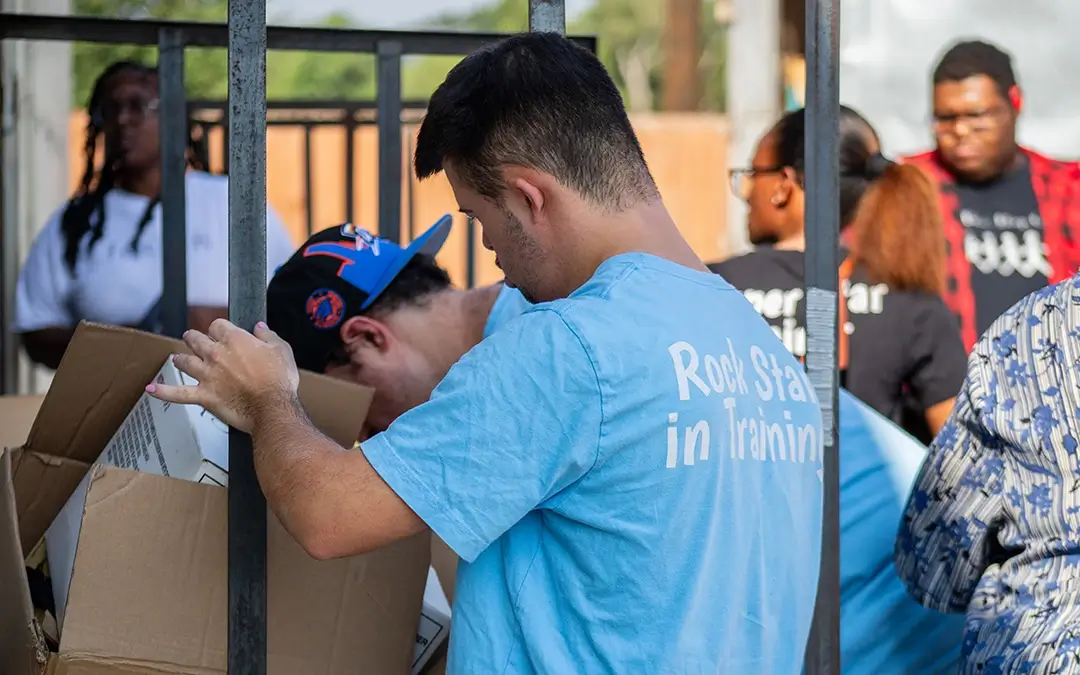
Donating unwanted items is one of the most practical ways to declutter your home, reduce waste, and support your local community. Through clothing and household donations near me, many people are able to give their gently used items a second life while helping thrift shops and resale partners keep usable goods in circulation. However, while donation is a generous act, not everything in your home is suitable for donation.
Understanding what can and cannot be donated is essential to ensuring that your contributions are actually helpful. Donating unsuitable items can slow down operations, increase disposal costs for donation centers, and even create safety risks for staff and volunteers. Knowing what to avoid protects everyone involved in the donation process.
This comprehensive guide explains what items should not be donated, why donation guidelines exist, and how to donate responsibly using a reliable donation pick up service. We’ll also cover best practices for furniture donation pick up, discuss what happens to unacceptable items, and explain how clothing and household donations near me support local resale ecosystems.
Top 3 Key Findings About Donation Guidelines
These key findings highlight the most important factors donors should understand before giving, helping ensure donations are safe, accepted, and handled efficiently by local thrift shops and resale partners.
1. Condition Matters
One of the most important rules of donating is item condition. Thrift shops and resale partners rely on donations that are clean, functional, and ready for resale. Items that are broken, heavily worn, or unusable require additional labor to sort and dispose of, increasing operational costs. These extra costs can reduce the funds available for local programs supported by resale revenue.
When you donate through clothing and household donations near me, selecting items in good condition helps donation centers operate efficiently. Clothing without stains, furniture without structural damage, and household goods that work as intended are far more likely to stay in circulation.
By being selective, donors play a direct role in ensuring donation systems remain sustainable and effective.
2. Safety Comes First
Safety is a top priority for all donation centers. Items that pose health or safety risks should never be donated. Recalled products, damaged electronics, expired consumables, and hazardous materials can harm staff, volunteers, and customers.
Using a reputable donation pick up service helps reduce these risks, as clear guidelines are provided on what is acceptable. Unsafe items can also expose donation centers to fines or legal liability if they are mishandled.
Ensuring donated items are safe protects everyone involved and helps maintain trust between donors, donation services, and local thrift partners.
3. Acceptance Varies by Location
Not all donation centers accept the same items. Space limitations, staffing capacity, and local demand all influence what can be accepted. Some thrift shops may not accept large furniture, appliances, or bulk quantities of clothing.
Before scheduling a furniture donation pick up or donating through clothing and household donations near me, it’s important to confirm acceptance guidelines. A trusted donation pick up service makes this easier by outlining what items can be collected and routed to appropriate resale partners.
Common Donation Misconceptions
Many donors unintentionally contribute unsuitable items due to common misconceptions about donations.
“If it’s unwanted, someone will want it.”
This is one of the most widespread myths. Items that are broken, heavily damaged, or outdated often cannot be resold or reused. Old electronics with missing components or clothing with deep stains usually end up discarded.
Even when using clothing and household donations near me, unusable items rarely benefit anyone and may create extra waste.
“Donation centers can fix anything.”
Most thrift shops and resale partners do not have the time or resources to repair items. Repairs require tools, skilled labor, and storage space. Even small fixes can slow down processing.
Donation systems work best when items are ready for immediate resale or redistribution. A donation pick up service is designed to move usable items efficiently, not repair damaged ones.
“All donation locations accept everything.”
Acceptance varies widely. Some centers may have excess inventory of certain items or lack space for large furniture. Others may temporarily stop accepting specific categories due to seasonal demand.
Checking guidelines before scheduling a furniture donation pick up or donating household items prevents frustration and wasted effort.
What Should I Not Donate?
Understanding which items should not be donated is essential to responsible giving. While clothing and household donations near me make donating convenient, certain items are generally unacceptable across most donation centers.
Items Typically Not Accepted
- Broken or Damaged Items: Furniture with structural damage, clothing with large tears, and appliances that no longer function are typically unsellable. These items require extra handling and disposal, increasing costs for donation centers and reducing resources available for community programs. Items exposed to mold, pests, pesticides, asbestos, lead paint, or other hazardous
- Contaminated Items: substances pose serious health risks. Donation centers cannot safely clean or process contaminated items, making them unsuitable for resale, reuse, or distribution through charitable channels.
- Recalled Products: Products recalled due to safety defects should never be donated. These items may pose injury risks to users and legal risks to donation centers. Always verify recalls through official consumer safety databases before including items in your donation.
- Hazardous Materials: Cleaning chemicals, automotive fluids, batteries, paint, propane tanks, and flammable substances are dangerous to handle and store. Donation centers are not equipped to manage hazardous materials, so these items must be disposed of through approved waste programs.
- Expired or Unsafe Consumables: Expired food, medication, vitamins, and personal care products may be unsafe or ineffective. Donation centers generally cannot verify product safety dates, making expired consumables inappropriate for donation and better suited for proper disposal.
- Weapons and Ammunition: Firearms, ammunition, knives, and other weapons are strictly prohibited due to safety and legal concerns. Donation centers do not have the authority or facilities to handle weapons, making them unacceptable under all donation guidelines.
- Mattresses and Box Springs (in some areas): Due to hygiene concerns, pest risks, and local regulations, many donation centers do not accept mattresses or box springs. Acceptance varies by location, so it’s important to confirm policies before scheduling a donation pickup.
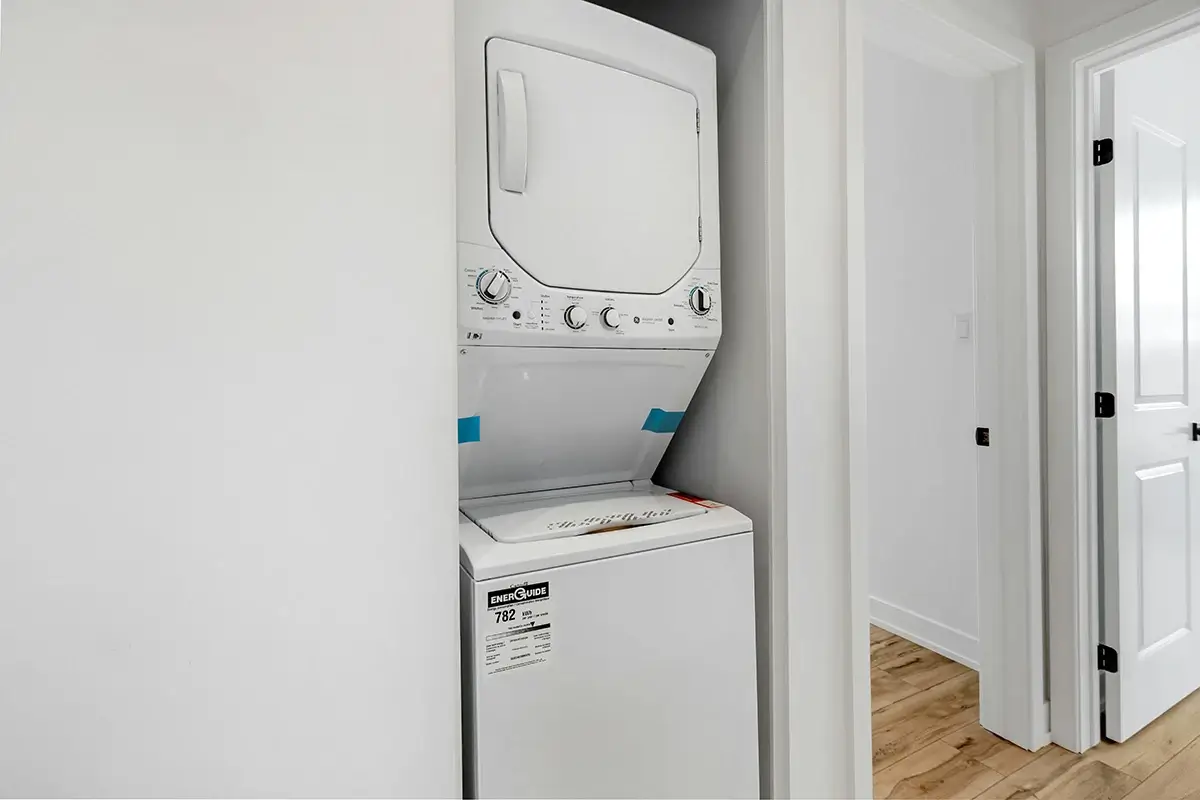
- Large Appliances (in some cases): Large appliances such as refrigerators, washers, and ovens may be declined due to size, weight, and transportation challenges. Some appliances also require special handling to manage refrigerants or electrical components safely.
- CRT TVs and Monitors: Older CRT televisions and monitors often contain lead and other hazardous materials. These electronics are costly to recycle and cannot be resold, making them unsuitable for donation and better handled by certified e-waste recycling facilities.
Avoiding these items ensures clothing and household donations near me remain efficient, safe, and beneficial.
What Happens to Unacceptable Donations?
When unsuitable items are donated, donation centers must spend time sorting and disposing of them responsibly. This diverts resources away from processing usable goods.
For large or hazardous items, special disposal services may be required, which can be costly. Using a reputable donation pick up service and following guidelines helps reduce these unnecessary burdens.
By donating appropriately, you help ensure more items remain in circulation and fewer end up in landfills.
Responsible Disposal Options
When items cannot be donated, proper disposal helps protect the environment, public health, and local communities while supporting the overall sustainability of clothing and household donations near me.
Recycling
Paper, plastic, glass, and metal can often be recycled through local programs. Some textiles may also be accepted by specialized recycling facilities, helping reduce landfill waste and conserve resources when donation is not possible.
Hazardous Waste Disposal
Items such as chemicals, paints, batteries, and automotive fluids should be taken to designated hazardous waste facilities. Proper handling prevents environmental contamination and reduces health risks to sanitation workers and the public.
E-Waste Recycling
Electronics including televisions, computers, phones, and monitors should be recycled through certified e-waste centers. These programs safely manage toxic components while recovering valuable materials for reuse in manufacturing.
Trash Disposal
Items that cannot be recycled or donated should be disposed of according to local waste management regulations. Following proper disposal guidelines helps maintain clean neighborhoods and supports responsible community waste systems.
Responsible disposal complements clothing and household donations near me by keeping communities clean and safe.
How Responsible Donations Support Local Communities
Responsible donating goes beyond decluttering—it plays a direct role in strengthening local communities. When donors follow guidelines and choose appropriate items, clothing and household donations near me become a reliable resource for local thrift shops and resale partners. These organizations depend on usable, resale-ready items to fund community programs and provide affordable goods to families in need.
Using a trusted donation pick up service helps ensure donated items are routed efficiently to nearby thrift partners rather than being discarded. This reduces unnecessary waste, lowers processing costs, and allows resale revenue to be reinvested into employment opportunities, community services, and local outreach programs.
Furniture donation pick up services also contribute to community impact by keeping large, usable items in circulation. Donated furniture can help individuals and families furnish homes affordably while preventing bulky items from ending up in landfills. When donations meet condition and safety standards, the entire resale ecosystem benefits.
By donating responsibly, individuals help donation centers operate more efficiently, protect staff and volunteers, and ensure that more items reach people who can truly use them. Many households choose clothing and household donations near me as a sustainable alternative to landfill disposal. Planning ahead for furniture donation pick up ensures smoother coordination with local thrift partners. Working with a dependable donation pick up service ensures donations create meaningful local impact.Thoughtful donations create a positive cycle—supporting sustainability, affordability, and community well-being through every pickup and redistribution.
Utilizing Donation Pickup Services
Using a donation pick up service simplifies the donation process, especially when dealing with larger, heavier, or bulk items that are difficult to transport independently. Choosing a trusted donation pick up service ensures donations are routed properly and processed responsibly. Many donors rely on clothing and household donations near me to ensure their usable goods stay within local resale networks. Scheduling a furniture donation pick up helps ensure large items are handled safely and efficiently. Instead of coordinating drop-offs or arranging vehicles, donors can schedule a pickup at a convenient time and focus on donating responsibly. DonationPickup.org provides clear guidelines on accepted items, helping donors prepare their contributions properly and avoid donating items that cannot be reused or resold.
A reliable donation pick up service also plays an important role beyond convenience. It helps connect donated items with local thrift shops and resale partners that rely on quality donations to support their operations. By keeping usable goods in circulation, these partnerships reduce unnecessary waste and extend the life of donated items. Proceeds from resale often help fund local programs, community services, and operational costs, creating a positive ripple effect. Choosing an organized pickup service ensures donations are handled efficiently, responsibly, and with a meaningful impact on both the environment and the communities served.
Preparing Items for Pickup
Preparing items properly helps ensure a smooth furniture donation pick up or household donation collection.
- Ensure items are clean and in good condition
- Place items in accessible locations
- Disassemble furniture if possible
- Secure smaller items in boxes or bags
- Be available during pickup
Following these steps improves efficiency and protects both donors and pickup teams. Preparing items carefully before using clothing and household donations near me improves acceptance rates. Proper preparation before a furniture donation pick up protects both donors and pickup teams. A professional donation pick up service simplifies the process and reduces unnecessary disposal costs.
Furniture Donation Pick Up: Special Considerations
Furniture donation pick up requires extra planning compared to smaller household items. Understanding acceptance standards helps donors prepare items properly, avoid declined pickups, and ensure furniture is safely reused through responsible donation channels.
- Condition: Furniture must be in good, usable condition and structurally sound. Items with broken frames, missing parts, severe cracks, or unstable construction are generally not accepted, as they cannot be safely resold or reused by thrift partners.
- Size and Weight: Furniture must be manageable for pickup crews to safely lift and transport. Oversized, extremely heavy, or difficult-to-move items may be declined due to safety concerns, limited vehicle capacity, or staffing restrictions during scheduled pickups.
- Type of Furniture: Acceptance often depends on local demand and available space. Some thrift shops prioritize commonly needed items such as tables, dressers, or seating, while others may limit acceptance of specialty, outdated, or less frequently requested furniture pieces.
- Hygiene and Safety: Upholstered furniture must be clean, odor-free, and free of stains, mold, or pests. Items showing signs of infestation or unsanitary conditions are typically declined to protect staff, customers, and other donated goods.
Scheduling a furniture donation pick up through a trusted donation pick up service helps ensure items meet acceptance guidelines and are routed to appropriate thrift partners for responsible reuse.
Alternative Furniture Disposal Options
If furniture cannot be donated:
- Junk removal services: Professional junk removal services can safely haul away furniture that cannot be accepted by donation programs.
- Curbside bulk pickup: Many local municipalities offer scheduled curbside bulk pickup for disposing of large, non-donatable furniture items.
- Recycling materials such as wood or metal: Furniture made of wood or metal may be dismantled and recycled through approved recycling facilities.
- Selling through online marketplaces: Usable furniture can be sold through online marketplaces, extending its life and preventing unnecessary landfill waste.
These options help prevent waste when furniture donation pick up isn’t possible.
FAQs About Donations
What items should not be donated?
Items that are broken, damaged, contaminated, unsafe, or expired should not be donated. This includes recalled products, hazardous materials, non-functional appliances, expired food or medications, and items that cannot be safely reused or resold. Donating unusable items increases disposal costs and slows donation center operations.
What clothes should not be donated?
Clothes with heavy stains, rips, holes, excessive wear, mold, moisture, or strong odors should not be donated. Clothing should be clean, dry, and wearable. If an item is not something you would comfortably give to a friend, it is better recycled or discarded responsibly.
What items cannot be donated to thrift shops?
Thrift shops cannot accept broken, unsafe, oversized, contaminated, or hazardous items. Examples include CRT televisions, mattresses in some areas, non-working appliances, chemicals, weapons, or recalled products. These items pose safety risks, storage challenges, or disposal costs that thrift shops cannot manage.
What is considered gently used clothing?
Gently used clothing is clean, intact, and in good condition, with no stains, tears, holes, or excessive wear. It should be fully functional, comfortable to wear, and visually presentable. Gently used items are suitable for resale or redistribution through thrift shops and community donation programs.
What can you do with unwanted but usable items?
Unwanted but usable items can be donated through DonationPickup.org using a convenient donation pick up service. Clothing and household donations near me goods can be routed through clothing and household donations near me, while larger items can be scheduled for a furniture donation pick up, helping reduce waste and support reuse.
Can large or bulky items be donated?
Yes, many large or bulky items can be donated if they are in good condition and meet acceptance guidelines. Furniture donation pick up services make it easier to donate items like tables, dressers, or sofas, as long as they are clean, usable, and manageable for pickup crews.
Your Partner in Responsible Giving
DonationPickup.org makes donating easy and convenient. We collect items directly from your home and deliver them to local thrift shops and resale partners. From clothing and household goods to furniture, donations are given a second life, reducing waste and keeping usable items in circulation.
Our hassle-free pickup service ensures that your items are delivered safely, efficiently, and responsibly. Scheduling is simple, and we provide guidance on preparing your donations for pickup. By donating through us, you declutter your home, reduce environmental impact, and support the resale ecosystem all without the hassle of transporting large items yourself.
Schedule your donation pickup today with us and make a positive impact on your community while giving your items a second life. Responsible donors check guidelines before submitting items through clothing and household donations near me. Before scheduling a furniture donation pick up, confirm that your items meet local acceptance standards. Selecting a trusted donation pick up service supports efficient operations and community sustainability.